Ocean Conservancy - Start a Sea Change Sign In to update your information »
FacebookLinkedInTwitter
Share on Facebook
Cancel
Share on Yahoo!
Cancel
Share on MySpace
Cancel
Share on Twitter
A short URL will be added to the end of your Tweet.

Cancel
Share on LinkedIn
Cancel
Printer Friendly

Send a free e-card to your friends and family, or download one of our ocean wallpapers.
Check out our stunning videos on our YouTube channel »

About Us

A sea change can return the ocean to health. Here at Ocean Conservancy, we believe it's time to look beneath the surface to see where the health of our planet really begins. It’s time to recognize the source that sustains us day to day with the food we eat, the water we drink, and the air we breathe...to discover that all living things are connected to the ocean. It’s time to understand that going green starts with living blue. It’s time to start a sea change. Won't you join us?

It's Time to Stop Warming the Planet

Right now the warming of the Arctic — the earth’s air conditioner — is the greatest conservation challenge we face. Home to whales, seals, polar bears, and more than four million people, the Arctic is warming at twice the rate of the rest of the planet. The consequences are massive, and will have impact across the planet and threaten Arctic peoples' way of life. Already ocean-climate changes have forced coastal village residents to abandon their homes and to consider moving whole communities as the ground literally erodes from under them.

As the melting ice gives way to new ocean passages, the Arctic seas become ripe for abuse. Without responsible management, an ocean gold rush is inevitable. Already, oil drilling, international shipping, and industrial fishing operations are vying to grab these newly exposed areas. As one Native leader agrees, it’s simply too much, too fast, too soon.

With nationally renowned policy and science experts, Ocean Conservancy is uniquely positioned to collaborate with conservation partners and others to confront these threats to the Arctic. We’re fighting for a time-out on rapid expansion, until we have the science and the structure we need to guide decision-making. We’re championing oil and gas policies that will reduce the impact on marine life and coastal communities. We’re advocating sustainable limits and fishing methods for fisheries along Alaska’s northwest coast. And as previously ice-locked shipping routes are opened to international commerce, we’re pressing for safeguards to prevent oil spills and other accidents.

The policies and protections we put in place in the Arctic will serve as models as we address changes further south. With the support of our members, Ocean Conservancy is ensuring a future for the Arctic’s people, for its wildlife — and for all of us.

It's Time to Stop Trashing Our Beaches

Grocery bags … bottles … cigarette butts … wrappers and straws. They don’t fall from the sky; they fall from human hands. And what’s washed up on the shore is only a fraction of what ends up in the water.

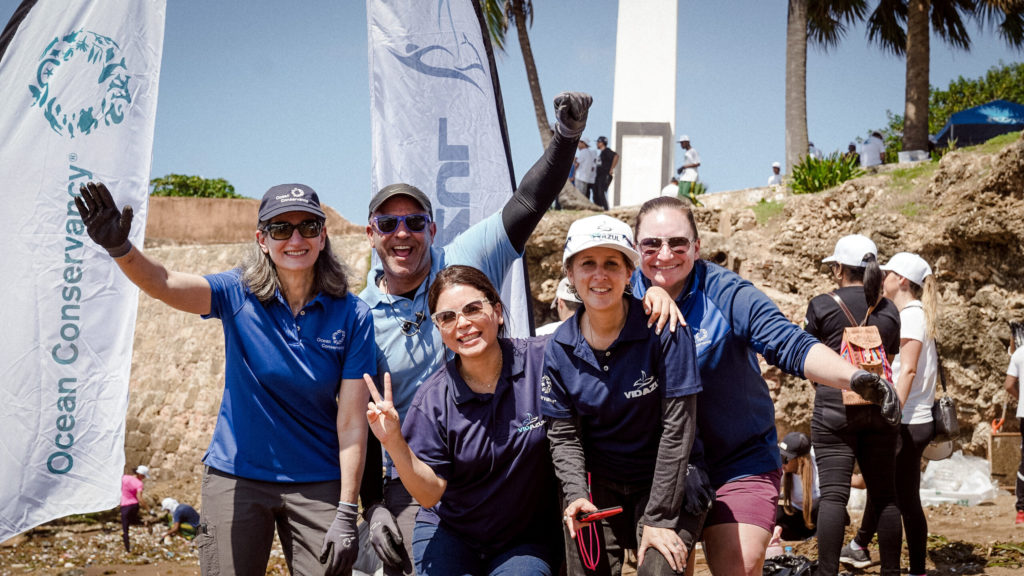
From Baltimore to Bangladesh, Ocean Conservancy leads the world’s most astounding grassroots cleanup effort. Every year in September, more than half-a-million people in 100 countries remove millions of pounds of trash from beaches and waterways all over the world. And it all started with one person. Appalled by all the garbage littering the Texas coast, she took action, organizing a cleanup along miles of shoreline. Over 20 years later, our International Coastal Cleanup is one of the largest and most effective volunteer-based conservation projects in the world.

For many volunteers, the Coastal Cleanup is a stark initiation to the deterioration of our ocean, and often spurs a deeper commitment to marine conservation. By cleaning up the shorelines, concerned citizens are doing their part to help make the ocean more resilient to the harmful effects of climate change, pollution, overfishing, and damaged habitat.

And it's a good thing, because trash in the ocean is one of the most widespread pollution problems we face — yet it's entirely preventable.

The work doesn’t start and end in a day, of course. It goes on all year long. At Ocean Conservancy, we analyze the data collected by our volunteers to produce the only global snapshot and country-by-country, state-by-state breakdown of trash in the world’s ocean. Our reports have played a direct role in shaping national legislation to reduce marine debris and in helping small towns across the country create recycling programs.

Big change has to come from big places. That’s why we’re teaming up with businesses to change practices that lead to garbage on our beaches and waterways and to involve their employees in cleanups. Together, our efforts mean that next year we hope to pick up fewer pounds of garbage. With the hands-on help of people like you, we’re restoring the health and beauty of our beaches and waterways.

It's Time for Sustainable Fishing

Around the world, billions of people rely on fish as a source for the nutritious protein they need. But, the ocean’s supply can’t keep up with our demand for wild fish, and they’ve begun to disappear. Taking fish out of the ocean faster than they can reproduce is bad for fish, fishermen, coastal economies and the marine ecosystems on which they all depend

Ocean Conservancy is working to create a new kind of fishing for the future. Well-managed fisheries are an investment in the future of the ocean as an engine that drives our climate, our economy, and our ecosystems. It’s in everyone’s best interest — distributors, retailers, fishermen and consumers — to restore the ocean’s bounty and strengthen our coastal economies.

So, we’re changing the rules. We’re taking a broad, bait-to-plate approach to fixing things that we call "From fishery to fork." We’re focusing our work in the Gulf of Mexico to build new economic incentives that reward fishermen for innovative practices that protect entire ocean ecosystems. We’re working with seafood buyers to help them identify and purchase sustainably harvested seafood. We’re shaping a shared vision for retailers, restaurant chains, and other seafood businesses to support good fishing practices—so we never catch fish faster than they can reproduce.

And, it’s working. Our conservation partnerships have generated new policies to rebuild red snapper stocks in the Gulf of Mexico. We’ve helped introduce new nets and fishing gear to reduce wasteful fishing practices that often leave as many dead creatures in the water as make it to market. These innovations are also more efficient, helping fishermen save on fuel costs and reduce their carbon emissions at the same time.

The bottom line is that rebuilding our fisheries responsibly makes for stronger local economies. Sustainable fisheries generate sustainable jobs. Our work keeps fishermen on the water and coastal economies working.

It's Time to Set the Standard for Safe Fish Farming

Fish farming is one of the fastest-growing responses to our declining wild fish supply and now accounts for more than 40 percent of the world’s seafood consumption. In the United States alone, the industry is expected to grow five-fold by 2025. Without thoughtful planning and regulation, fish farming can severely harm ocean ecosystems.

Large-scale industrial fish farming, for instance, causes many of the same environmental problems that we find in factory farming on land. But in the ocean, it’s not so easy to fence your pasture.

In the ocean, fish are often grown in open net pens, packed together more tightly than in nature. Disease can spread quickly through a captive school and even endanger wild fish in the surrounding ocean. Most troubling, many farmed fish (like salmon) consume more wild fish — ground up into fishmeal — than they produce as farmed product, defeating the very purpose of aquaculture.

Unless we develop strong and enforceable regulations to control fish farming, it may wreak havoc on some of our wild fish supply. We’re working to put in place strong national rules to govern this burgeoning industry. The real challenge lies not in banning farming fish altogether but in finding smart solutions that deliver a safe and environmentally acceptable seafood supply. Only Ocean Conservancy has the scientific vision and the legislative muscle to ensure that we can do both.

To do this, we’re leading the charge to ensure that aquaculture develops only under strong environmental standards. In 2006 we broke new ground, building a coalition of business, academic, fishing, and conservation organizations to pass California’s open ocean aquaculture law, the most robust in the nation. Now Congress needs to act by setting national standards—before fish farming expands rapidly in federal waters.

Ocean Conservancy is advocating for a thoughtful approach that would protect our fisheries and oceans from unacceptable risks. We need your help to take this effort nationwide, so that state and federal policies protect our oceans while meeting our growing demand for seafood.

It's Time to Save Marine Wildlife

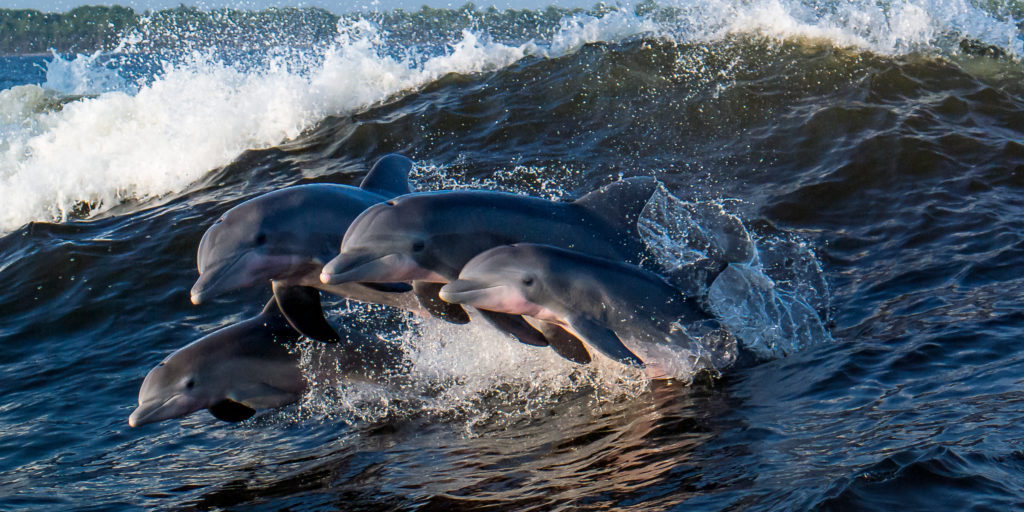
Each year, thousands of whales, dolphins, seals, and sea turtles die as "bycatch" — animals accidentally injured or killed in fishing operations. Speeding ships in some of the busiest marine highways also pose a huge threat to endangered whales. On top of this, pollution and trash are poisoning and choking animals along our coastlines, from New England to Hawaii.

At Ocean Conservancy, we recognize that ocean ecosystems play a vital role in all living things — on land and underwater. That’s why we’ve made it our mission to protect sea animals and the places they live from careless human behavior. Our very lives — and livelihoods — depend on it. When ocean ecosystems are harmed and wildlife populations disappear, so do tourists, and whole coastal communities suffer—communities whose economic vitality relies on the joy and wonder visitors and residents experience scuba diving or whale watching.

At Ocean Conservancy, we’re integrating the protection of ocean wildlife and their habitats into all of our programs, from advancing technologies and fishing practices that keep vulnerable species like whales and sea turtles from getting entangled in fishing nets, to removing deadly debris during the International Coastal Cleanup, to promoting underwater parks that ensure plenty of rich, safe habitat for sea life to thrive.

Already our partnerships with fishermen have saved countless sea turtles and other vulnerable marine animals from accidental capture. But with your support, we can do even more to protect ocean wildlife. It’s time to recognize that saving sea creatures is a win-win for all, making our sea animals safer, our coastal communities stronger, and our lives richer.

It's Time to Protect Our Yosemites of the Sea

The world’s ocean is overfished, overpolluted, and underprotected. While 12 percent of the land on Earth has been set aside as parks, wildlife refuges and wilderness areas, less than one percent of the ocean has been similarly protected. Just like Yellowstone and Yosemite on land, we believe that our planet’s most spectacular and ecologically important underwater treasures deserve lasting protection.

Beneath the surface is another world altogether, perhaps more vibrant than the one above water. Coral reefs teem with rainbows of tropical fish. Whales gather to feed at the edges of submarine canyons deeper than the Grand Canyon. Volcanic seamounts, covered in ancient colonies of sea sponges, rise thousands of feet from the ocean floor. Lush kelp forests shelter sea otter mothers and pups. Yet, beyond its thrill and beauty, the ocean feeds us — seafood is an essential mainstay of the daily diet for one-sixth of the world's population.

With the support of members like you, we’re making significant progress in protecting some of the ocean’s most extraordinary places. In Florida, we helped establish the Tortugas Ecological Reserve where depleted lobsters and reef fish are now showing signs of recovery. In the Northwestern Hawaiian Islands, we fought to establish and protect one of the world’s largest marine reserves. And in California, we helped pass the landmark Marine Life Protection Act, creating a system of marine protected areas along the state’s coastline. Now, we’re working with fishermen, divers, scientists and others to implement this watershed California law.

As threats to the ocean mount, it’s time to set aside more marine protected areas and ensure they are well-managed. Preserving these pristine places strengthens the ocean’s immune system, fortifying its ability to withstand threats like oil spills and global warming. And the more we protect our ocean, the more we protect our planet. Because there are some things we simply can’t live without.

It's Time for Order in the Ocean

Like urban sprawl, today we have marine and coastal sprawl, as the ocean faces an era of unprecedented activity. Indeed, as each day passes, the ocean resembles more and more the Wild West on water. Wind farms, whale watchers and shipping superhighways are each competing to stake their claim to our ocean homestead. We need law and order to balance and coordinate commercial and recreational activity while protecting our ocean ecosystems.

Overlapping bureaucracies and short-sighted policies have hindered our ability to manage the ocean and protect its creatures. Simply put, to make a lasting impact on the ocean, our policy achievements require clear, coordinated and enforceable planning.

Ocean Conservancy is leading the charge for this approach to balancing competing uses in the ocean, referred to as marine spatial planning. The goal is to maximize the benefits provided by ocean ecosystems, ensuring that the health of our marine ecosystems is protected while supporting the economic and recreational activities that are so important to all of us.

We’ve seen how marine spatial planning is being used effectively by some states — and some countries — to do just that. Ocean Conservancy helped pass the Massachusetts Oceans Act, the first-ever master plan for state waters. We teamed up in a broad-based partnership with business and industry leaders, conservationists, and legislators on both sides of the aisle to develop this law, setting the standard for smart, proactive ocean management for other states and the federal government to follow.

With every challenge lies opportunity. Now is the time for the federal government to enact strong policies like these to determine how we balance and protect our ocean resources, with conservation at the core. The ocean is our nation’s largest public trust, and it’s the government’s responsibility to manage it accordingly. By educating Congress and the Administration, Ocean Conservancy is working to make ocean management more efficient and effective for the good of all. With ocean stewardship set into law, we’ll be able to encourage development where it’s appropriate, and to discourage it when it would cause more harm than good.

With partners like you, Ocean Conservancy is driving the government to responsibly manage marine resources and make smart, balanced decisions about our shared ocean future.

It's Time for Bold Leadership

Ocean Conservancy is setting the ocean agenda in the halls of power. Our 35-year legacy continues today as we translate threats into sound, practical policies that protect our ocean and improve our lives.

Our strong networks run deep across national, state, and local levels. And with the support of advocates like you, our grassroots efforts amplify your voice across the country.

But even more, at Ocean Conservancy we recognize that real leadership means real cooperation — between governments, businesses, scientists and policymakers, conservation organizations, and citizen advocates. That’s why we create enterprising partnerships to solve the world’s toughest conservation challenges. Including partnerships with people like you. It’s the hallmark of our work — because we know this is what it takes to achieve important victories.

With your help, we’ll continue to create concrete solutions that lead to lasting change. So we can all experience the ocean — the source that sustains us day to day—for generations to come.