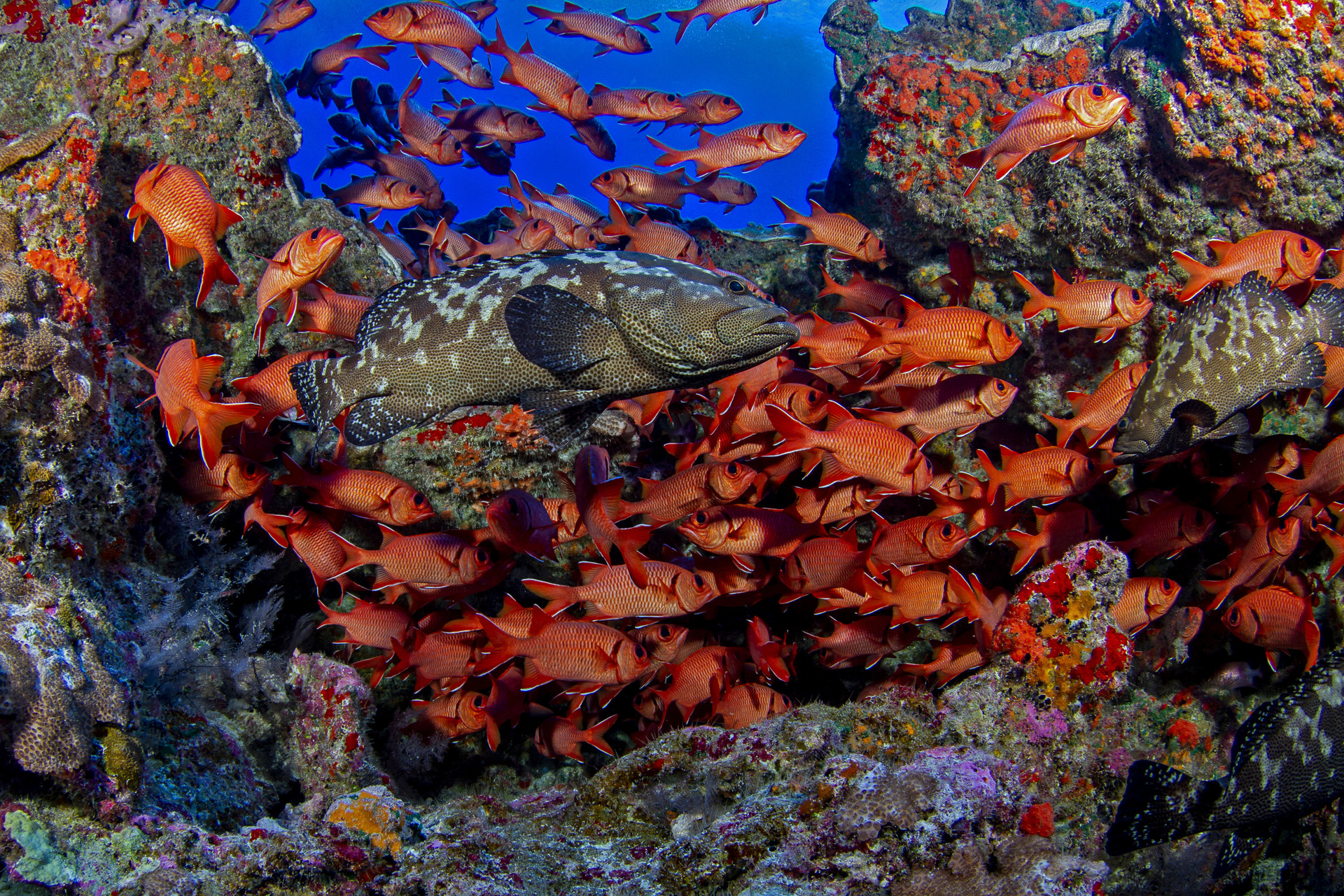
Dive into these underwater parks to enjoy the beauty and bounty of marine protected areas.
California is creating a network of underwater parks—marine protected areas—designed to protect ocean wildlife and habitats but also to enhance ocean recreation including scuba diving and snorkeling.
Under landmark legislation passed in 1999, California is adopting the first statewide network of protection in the United States by both expanding a series of small, historic protected areas and designing new ones. New and expanded marine protected areas will showcase the state’s spectacular kelp forests, fish and reefs.
Here are Ocean Conservancy’s top 10 dive sites included in marine protected areas in southern and central California. These are among the best diving—not to mention snorkeling, paddling and boating—sites in California.
Please consult a dive center or dive website for further information on conditions, access, ability level and possible hazards at these sites. Sites are listed from south to north.
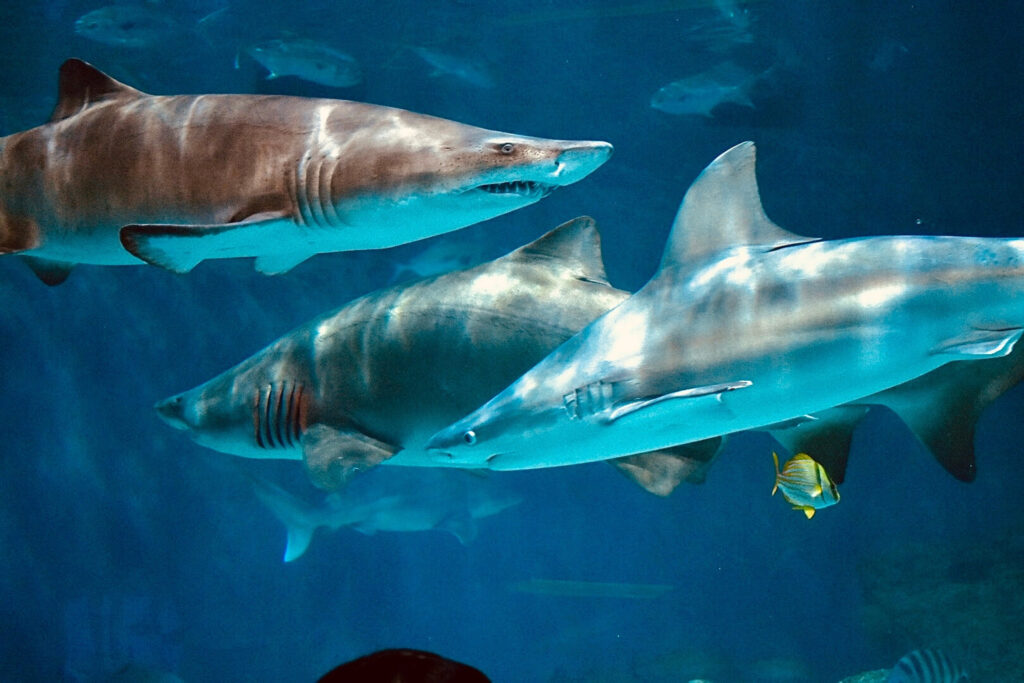
One of Southern California’s most renowned dive and snorkel sites, La Jolla Cove’s protected area has recently been expanded and renamed Matlahuayl State Marine Reserve in honor of its Native American heritage. La Jolla features a sheltered kelp forest that’s teeming with leopard sharks, bright garibaldi, lobsters, octopus and much more.
Laguna Beach’s longstanding marine protected areas were enlarged into the Laguna Beach State Marine Reserve. Several fantastic diving hot spots are located along the Laguna coastline. Shaw's is the most popular of all the coves and provides underwater access to an array of fascinating dives. Beware the occasional surge, but do explore the incredible outer reef where you’ll find gorgonian sea fans, nudibranchs and a host of reef fish.
Centered around Long Point and the Terranea Resort, the Point Vicente State Marine Conservation Area opens a teeming underwater world for intermediate shore divers and snorkelers. The Marineland Cove hosts a beautiful, shallow reef with a healthy kelp forest occupied by garibaldi, octopus, sea urchins and anemones.
A well-known dive site under new status as a marine protected area, Italian Gardens is an extensive area of boulders and thick kelp, and features terrain and conditions accessible to divers of all abilities. Italian Gardens is renowned amongst divers for its group of rare giant black sea bass that, while gentle, can be an awesome sight at up to 400 pounds or more.
Naples Reef offers a remote, wilderness-type dive for more experienced divers. Naples Reef features arches, pinnacles and ledges filled with colorful anemones, nudibranchs and cowries, along with reef fish like kelp bass, sheephead and even the occasional white sea bass or yellowtail. Marine mammals including sea lions and harbor seals also frequent the area.
The northern Channel Islands off Santa Barbara received protection via a dozen large marine protected areas in 2003 with measurable benefits to marine wildlife observed by scientists. Bold and curious sheephead, kelp bass and rock wrasse seem to understand their protected status, and may follow or directly approach you as you explore the very lush kelp forest.
Beginning divers and snorkelers will find spectacular coralline-encrusted boulders and, in summer, a thick and teeming kelp bed in 20 to 30 feet of relatively calm water. Iconic central coast fish species like cabezon and lingcod breed locally during the winter, especially around the pinnacles that jut above the sand and the rock bottom further offshore.
This site is one of California’s most famous and spectacular dive sites -- so much so that divers must reserve their visits in order to limit numbers to preserve the quality of diving. The wait is worth it: Years of protection from harvest and fishing have helped produce a diversity of wildlife from wolf eels and lingcod to colorful anemones and nudibranchs. Sea otters and playful sea lions are a common sight.
Eelgrass beds and rocky ledges feature schools of surfperch, several types of crabs and colorful nudibranchs. Lover’s Point is one of the finest octopus-sighting spots in coastal California, while boat diving in the area of Hopkins Marine Station presents the opportunity to explore a kelp forest and a reef system that’s been protected since 1931.
An internationally recognized ecotourism hotspot, the Farallones boast a world-class assortment of birds, marine mammals and, famously, great white sharks. Boat tours are available to experience migrating whales, basking sea lions and an array of seabirds. For the truly adventurous, specially certified tour operators can provide experienced divers the chance to come face-to-face (in a cage) with great white sharks.
With your help we can protect coastal habitats and wildlife, and the people and communities that depend on them.
Protecting the marvels of the Pacific Coast for the well-being of people and marine life.
California’s new marine protected areas are creating an underwater menagerie.