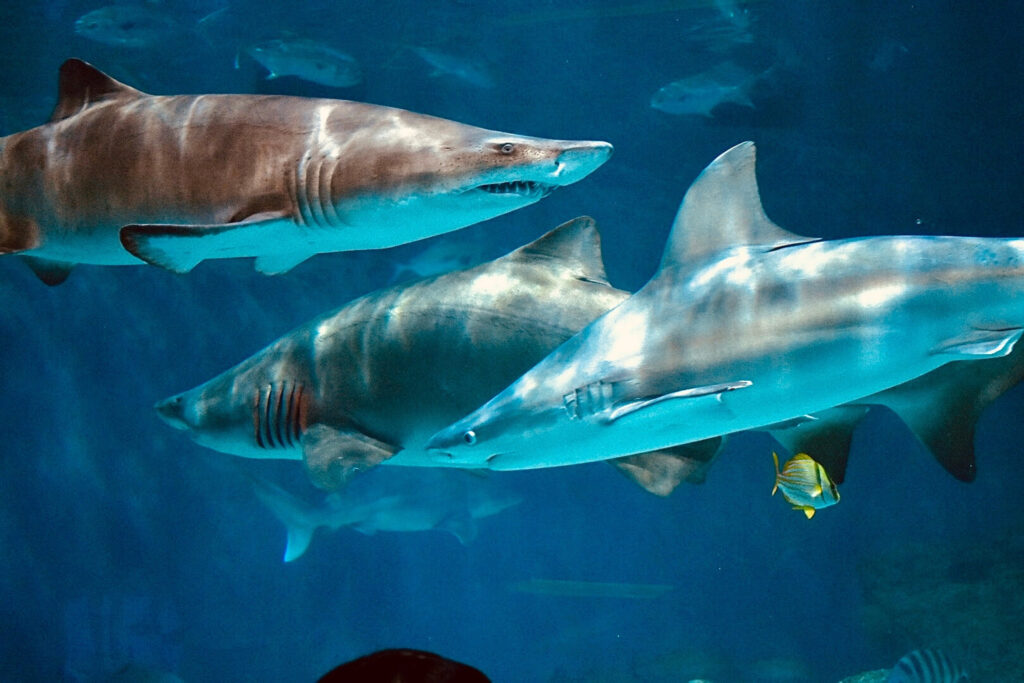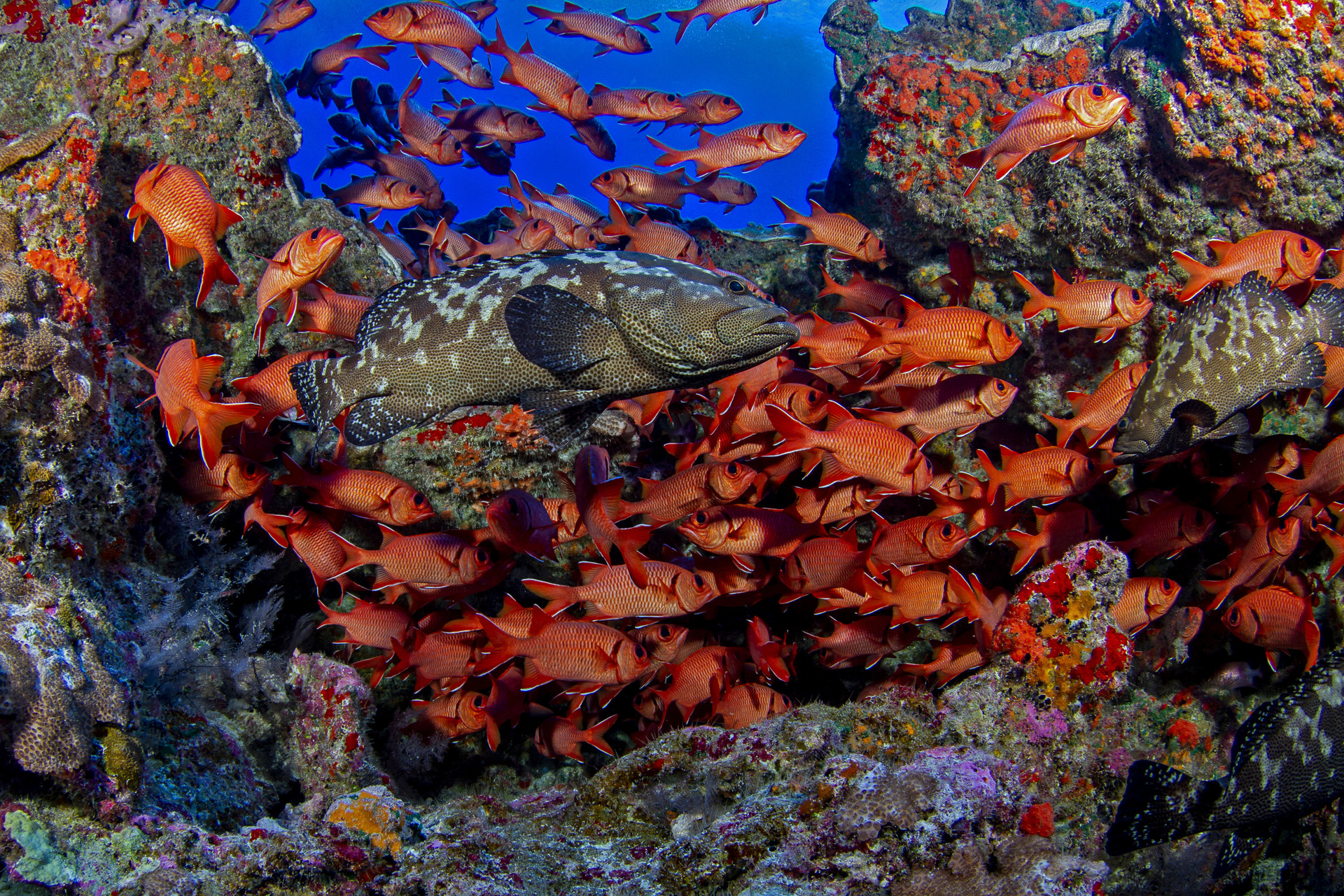
A beautiful and bountiful place, the Gulf sustains a robust seafood industry as well as recreational fishing and tourism activities. The five Gulf states have a gross domestic product of over $2.3 trillion a year. This is a place where the culture and the economy depend on the health of the ecosystem — as does the wildlife that thrives there.
Despite this abundance, the region faces significant challenges from not only the recent BP oil disaster but decades of degradation from coastal erosion, pollution, overfishing and excessive nutrient runoff that has produced a dead zone of depleted oxygen. These problems threaten fish, wildlife, the places where they live and the people who depend on a healthy ocean for jobs and business.
In the wake of the BP Deepwater Horizon oil disaster, the Gulf states, in partnership with several federal agencies, are moving forward with restoration efforts through the Gulf Restoration Council and the Natural Resources Damage Assessment (NRDA). This opportunity must be seized now to ensure that environmental restoration efforts advance the long-term health and resilience of the Gulf of Mexico ecosystem and the people and communities who depend on it.
The BP oil disaster demonstrated how every part of the Gulf, from far offshore waters and fisheries to coastal wetlands and communities, are connected and interdependent. The region needs science-based restoration that takes the entire ecosystem into account. This includes both coastal and marine (offshore) environments.
Read Restoring the Gulf Framework of Mexico: A Framework for Ecosystem Restoration
Updates on the progress of Gulf restoration three years after the BP Deepwater Horizon Disaster.
An effective ecosystem restoration program must be driven by a comprehensive vision for a healthy Gulf of Mexico.
Decision-makers need to make meaningful and strategic investments in the Gulf of Mexico region.