Ocean Conservancy - Start a Sea Change Sign In to update your information »
FacebookLinkedInTwitter
Share on Facebook
Cancel
Share on Yahoo!
Cancel
Share on MySpace
Cancel
Share on Twitter
A short URL will be added to the end of your Tweet.

Cancel
Share on LinkedIn
Cancel
Printer Friendly

Send a free e-card to your friends and family, or download one of our ocean wallpapers.
Check out our stunning videos on our YouTube channel »

Our Work Trash Free Seas: It's Time to Stop Trashing Our Ocean

Everyone Counts

The biggest challenge we face in saving the ocean is that so many of the threats are beneath the ocean's surface, literally out of sight and out of mind. But there's one very visible problem that impacts all of us: trash in our ocean and waterways.

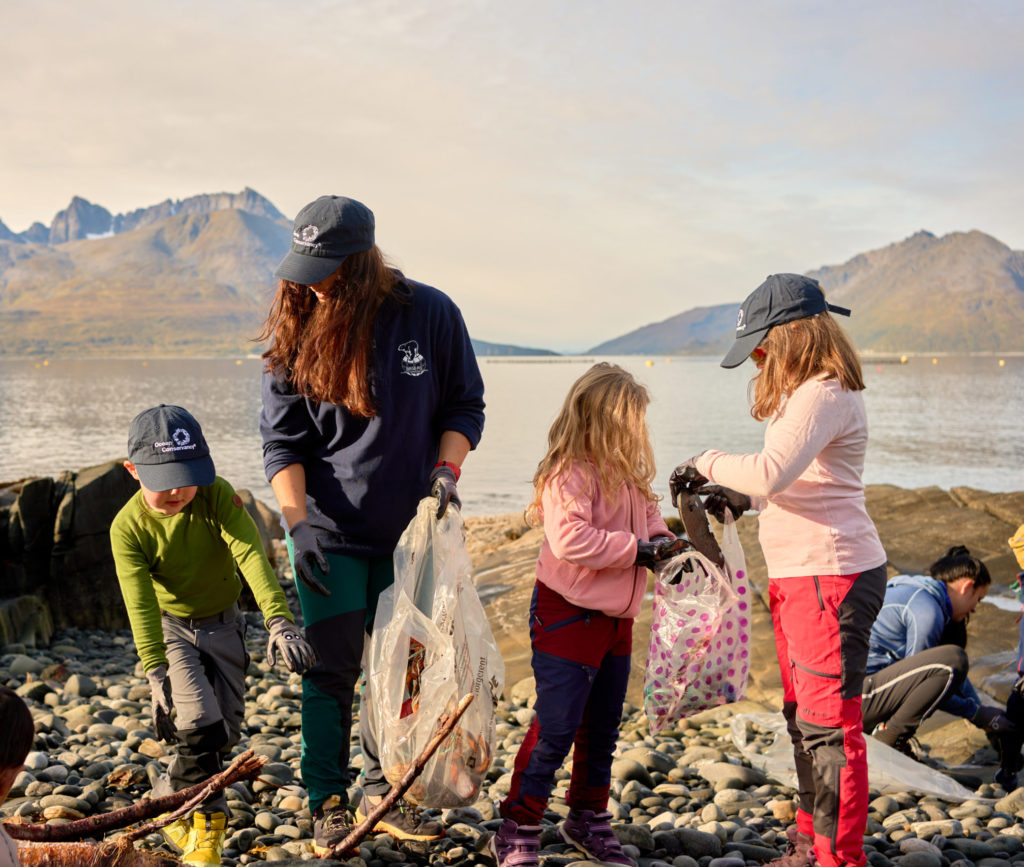
Ocean Conservancy has built a social movement for trash free seas with our flagship International Coastal Cleanup, the world's largest volunteer effort for ocean health. Over the past 25 years, more than 8.5 million people have crossed nearly 300,000 miles collecting 144 million pounds of trash. Read our 2011 Cleanup report to learn more (pdf).

Trash Free Seas

Ocean trash ranks as one of the serious pollution problems choking our planet. Far more than an eyesore, a rising tide of marine debris threatens human health, wildlife, communities and economies around the world.

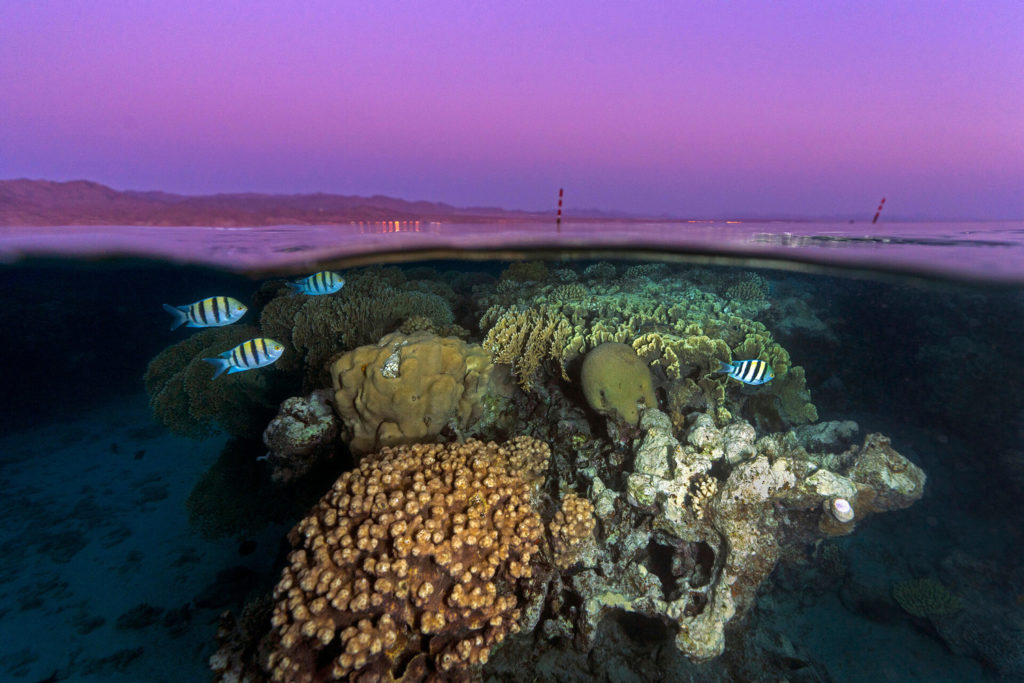
A living ocean is critically important to every one of us. It creates countless jobs and fuels prosperity; it provides us with food to eat, water to drink, and oxygen to breathe; and it regulates our climate. Whether we live on a beach or far from the coastline, we all have a profound stake in an ocean that is healthy and abundant. Yet we are trashing our planet’s life-support system. Year after year, the glut of items polluting our seas extends to the most remote corners of the globe, choking economies, killing wildlife, and impacting communities and human health.

Trash is a problem the public understands. Polling consistently indicates that people view ocean trash as one of the biggest threats to marine health. Voters feel the impact of ocean trash on local economies when it deters tourism, inhibits transportation and recreation, and generates steep removal bills. Under the banner of Ocean Conservancy’s International Coastal Cleanup, hundreds of thousands of people turn out every year to do their part to turn the tide. In the last quarter of a century, on just one day every September, almost nine million people have picked up some 144 million pounds of trash in more than 150 countries and locations.

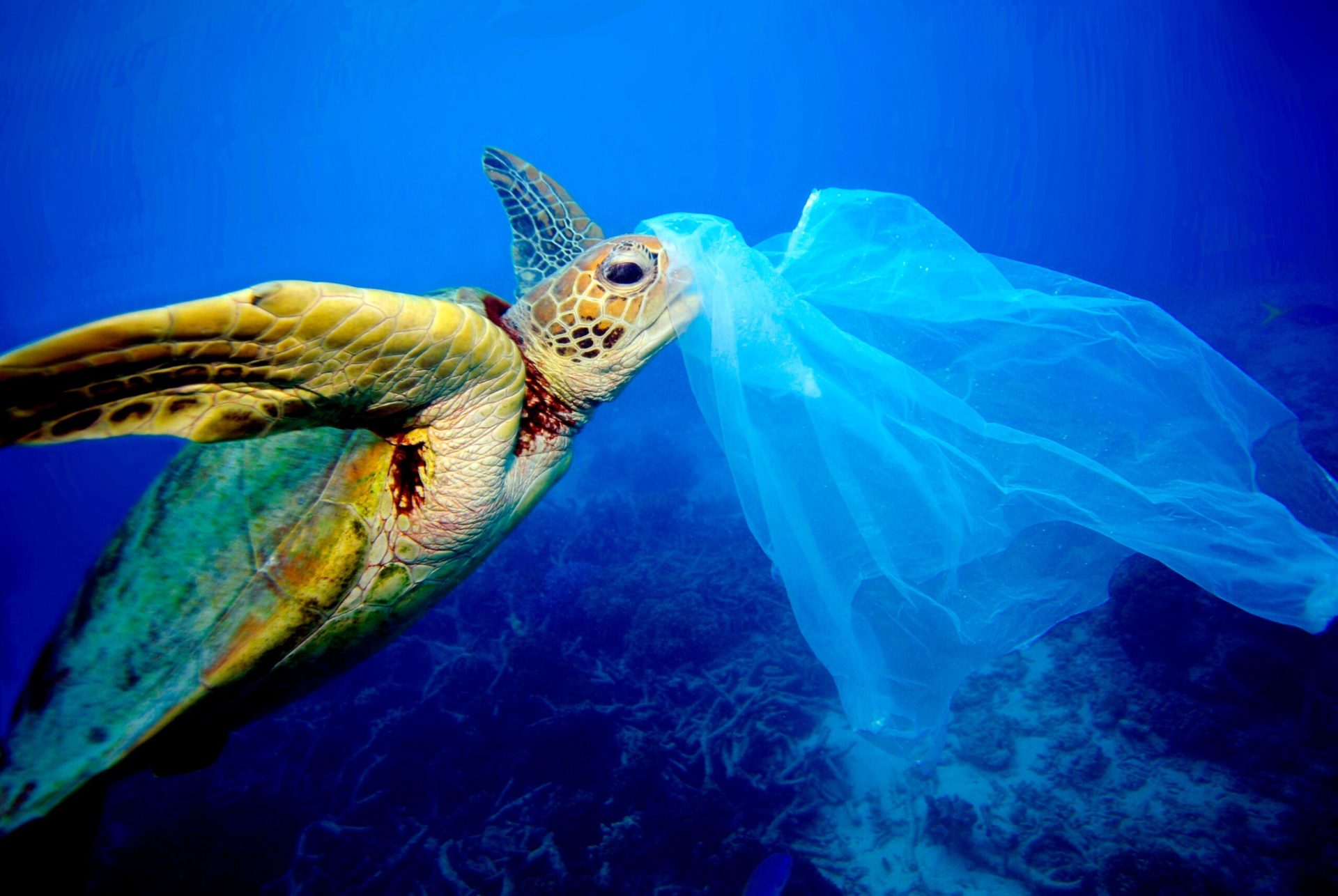
But people also know that cleanups alone can’t solve this problem. Public emotions increasingly run high when it comes to plastic bags and other single-use items. When people see photographs of animals like endangered sea turtles or whales eating or entangled in debris, they demand action. In growing numbers, they are calling for government and industry leaders to pioneer a different future.

Ocean Conservancy believes that it’s time for bold action. Over the last 25 years, the International Coastal Cleanup has grown into a remarkable alliance of individuals, nonprofits, corporations, and governments. But now we must redouble our efforts. Together, we must use the next 25 years to secure a more enduring goal: a future in which the concentration of debris in our ocean is consigned to the trash can of history.

Strategies for Success

Ocean Conservancy is committed to forging solutions with partners in industry and government, with leaders of communities and nonprofits, and with experts in academia and other centers of excellence. In the coming months Ocean Conservancy will focus on five strategies for success.

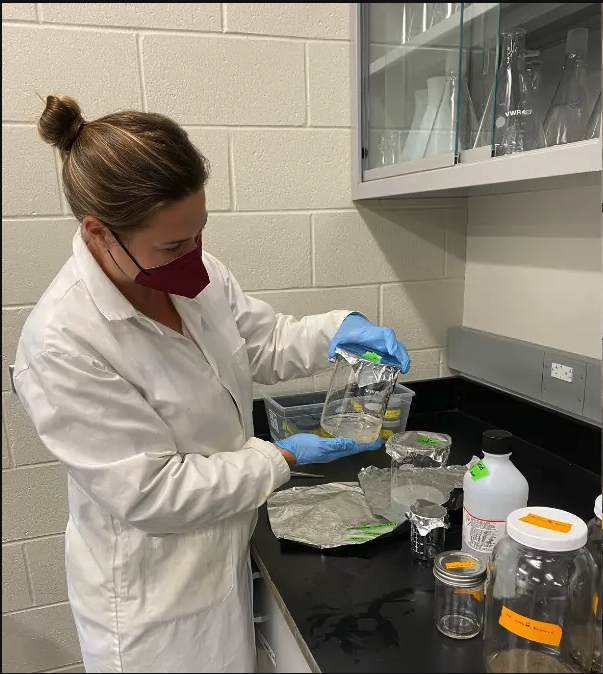
  1. Deepen scientific understanding. Twenty-five years of data collected by volunteers during Ocean Conservancy’s International Coastal Cleanup have given us a snapshot of what’s trashing our ocean. But that snapshot—and existing scientific study of this major pollution problem—is just the tip of the iceberg. To help scientists broaden and deepen their research on the scale and impacts of ocean trash, Ocean Conservancy will convene a scientific working group at a premier ecological think-tank. This group of highly respected academics will synthesize existing scientific literature and produce new peer-reviewed scientific research in the world’s top academic journals. The process will establish the scientific theory of marine debris—shaped through the input of stakeholders to ensure that it is focused on practical application.
  2.  

  3. Build a social movement to demand Trash Free Seas. Ocean Conservancy’s International Coastal Cleanup is the most personal and visible opportunity for citizens around the world to combat ocean trash. Ocean Conservancy will continue working to increase the number of participating volunteers and countries, and we’ll expand our online toolkits to tell more stories year round—fostering an ongoing public conversation, and empowering more corporations, organizations, community leaders, and individuals to get involved. We’ll expand our reach—including through social media and other online tools—to build a global movement for change.
  4.  

  5. Engage industry to develop solutions. A future with Trash Free Seas is difficult to imagine without the active engagement of multiple industries in pioneering solutions. Products generated by industry become the litter in our waterways, and every company has an obligation to find new ways to reduce its “ocean trash footprint.” Ocean Conservancy is committed to bring together industry, conservation, science and policy leaders to explore lasting solutions. We’re calling it the Trash Free Seas Alliance.
  6.  

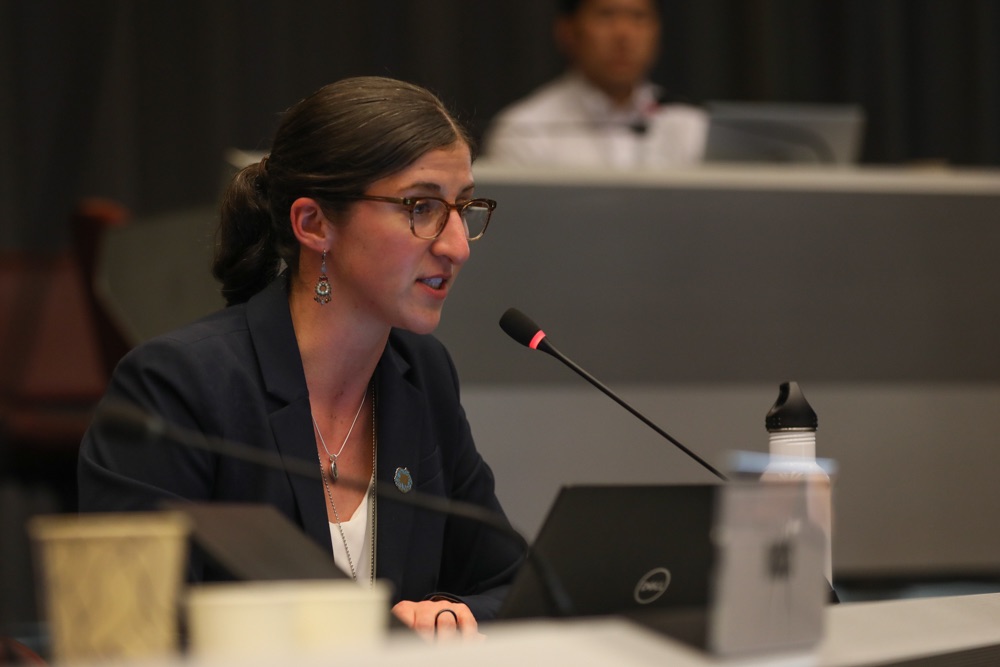
  7. Promote policy reform. Ocean Conservancy will build a broader and more engaged constituency for Trash Free Seas, enhancing the issue’s resonance with policymakers both in the United States and internationally. We will promote policy reforms that are empirically based and grounded in sound science. And we’ll feed a network for policy reform: giving Cleanup coordinators, Alliance partners, and others working for change the tools they need to advance the policy solutions that can be most effective in their own communities, states, and countries.

At Ocean Conservancy, we look back with pride on what the International Coastal Cleanup has accomplished over the last quarter of a century. But we are also looking boldly to the next 25 years. We invite you to join us in working for Trash Free Sees—and securing a future in which our children can enjoy an ocean brimming with life, not teeming with trash.