Ocean Conservancy's visions for a balanced and working ocean includes:
We're pursuing this vision through programs across the country that rely on the best science to advocate for smart policy.
In the United States, more than 10 percent of our land has been reserved as protected parks, wildlife refuges and wilderness areas, but the same level of care has yet to be given to our ocean, where less than 1 percent is protected.
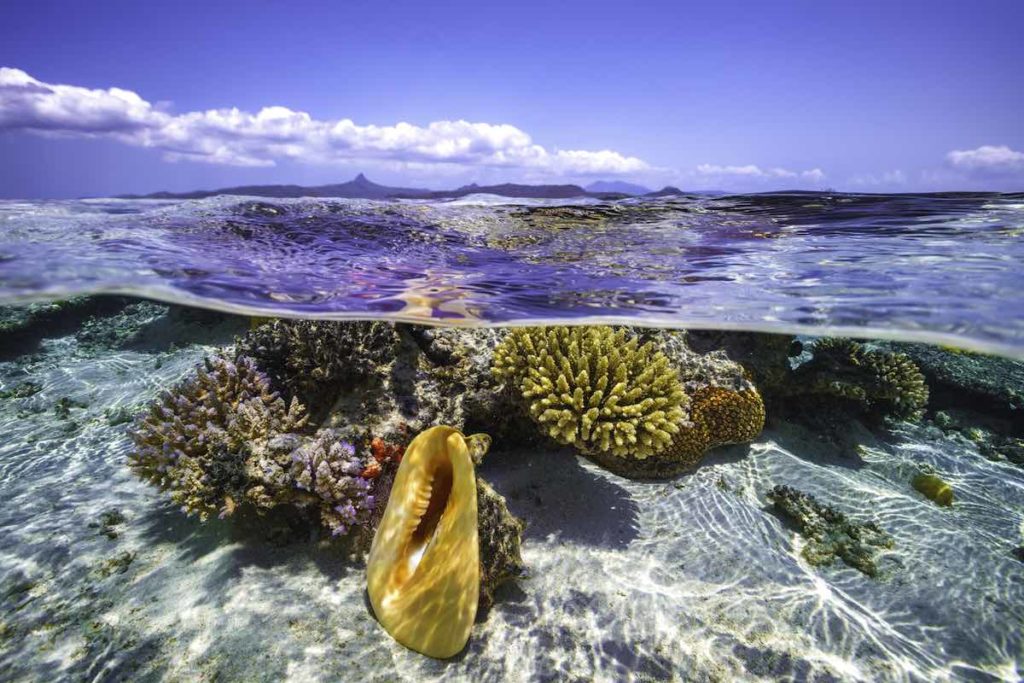
Underwater parks, called marine protected areas, strongly improve our ocean’s health.
Fish, for example, thrive in these protected areas. This not only makes a difference for the fish, but for the people and wildlife that depend on healthy fish for their survival.
Studies also show that underwater parks are more resilient in the face of threats and hold up even in the face of disaster.
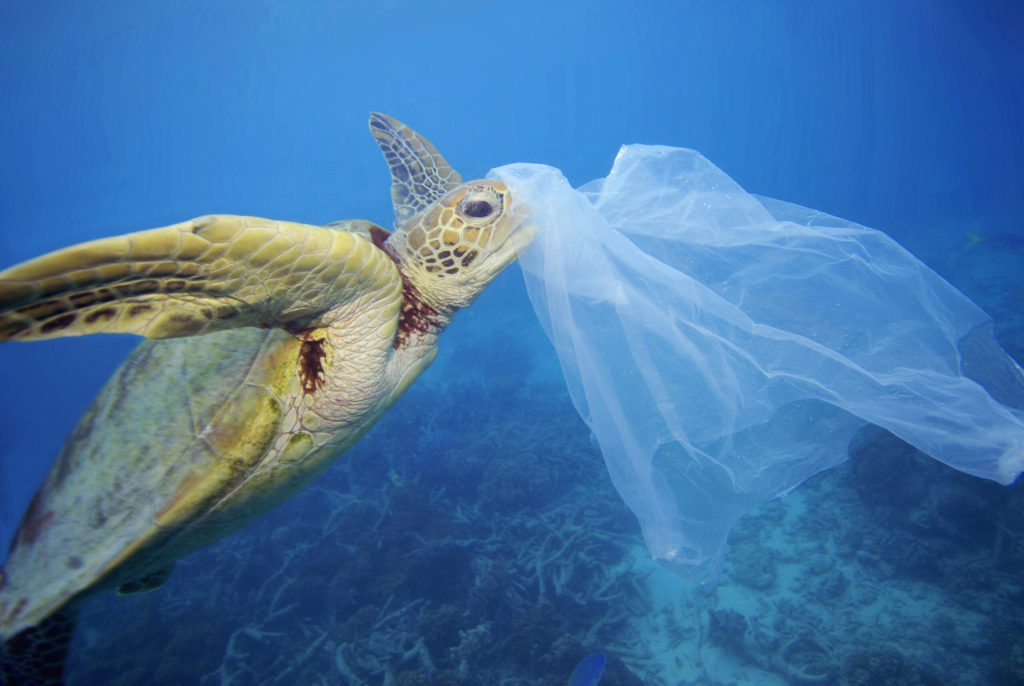
The 21st century economy depends on the ocean and that means shipping, recreational boating, commercial fishing and offshore energy are all vying to use the same waters – along with whales, birds, sea turtles and other important wildlife.
Smart planning for marine resources requires a coordinated policy – based on science – to balance ocean uses. More comprehensive and available data means greater efficiency and maximized resources. By listening to the needs of all ocean users, better decisions can be made about how to preserve a thriving economy and healthy ocean.
Fish nourish wildlife. They also sustain local economies and attract the tourism dollars of snorkelers, divers and recreational fishermen.
But the ocean’s supply can’t keep up with our growing human demands. Overfishing is not only harming fish, it is harming the fishermen, coastal economies and ecosystems that are dependent on them.
Our partnerships with fishermen have led to new policies to help make fish plentiful now and into the future—and they are successful. The catch by American fishermen has reached a 17-year high. And red snapper are recovering in the Gulf of Mexico.
Ocean Conservancy's policies are not only pursued in the halls of power, they are enacted on the ground in critical areas facing sustained threats.
The Arctic is one of Earth’s last pristine ecosystems. Some of the world’s largest seabird populations congregate here, iconic wildlife thrives in this frigid white world, and vibrant human communities also rely on the Arctic’s resources.
Today the Arctic faces unparalleled challenges, from expanding oil and gas exploration and other industrial activity to increasing tourism and climate change impacts.
At Ocean Conservancy, we’re working to help citizens and decision-makers alike understand what’s at stake. We’re advocating for science-based solutions to ensure that Arctic waters remain healthy and clean.
The Gulf of Mexico is a beautiful and bountiful place that serves as an economic driver for the country, sustaining a robust seafood industry, recreational fishing and tourism activities.
For more than two decades, Ocean Conservancy has worked in the Gulf of Mexico to secure a sustainable future for the region. We are committed to doing everything we can, in coordination with all willing partners, to advocate for science-based restoration plans that go beyond the oil disaster and address the entire Gulf of Mexico.
Join us to protect a balanced working ocean that sustains nature and provides for people.
Send a clear message to the FDA that GE salmon is a threat to our dinner plates and the very future of fish. Take action.
The ocean provides the air we breathe, the food we eat and the water we drink. Learn more about why the ocean matters to you.
We've worked with you to fight for a healthy ocean since 1972 — thank you for four decades of support.