A thriving ocean provides us with the food we eat, the water we drink and the air we breathe. Ocean Conservancy works to keep the ocean healthy to keep us healthy.
As the global population increases and food sources become more stressed, it is vital that we have a healthy, sustainable ocean that is well managed—and productive.
Ocean Conservancy works every day to ensure that we have healthy and sustainable seafood for our children—and our children’s children. We:
We’ve seen it in the past: dangerous practices like overfishing have decimated iconic fish populations including cod, red snapper, bluefin tuna and species of Pacific rockfish.
Now, governments, fishermen and groups like Ocean Conservancy are working together to prevent overfishing and bring these populations back to sustainable levels. Thanks to that work, fish like red snapper in the Gulf of Mexico are on the road to recovery.
Our work is not done, and is constantly under threat. Altering the current science-based safeguards could jeopardize fish populations that are on their way to healthy numbers – resulting in:
There is simply not enough sound science to understand the environmental and economic impacts of genetically engineered (GE) fish. We don’t know enough about possible impacts for human health. And, what happens to wild fish and ecosystems when drugs, excess nutrients from fish feed and even GE fish themselves escape from pens into ocean waters?
Until we have a greater understanding of the risks and rewards, Ocean Conservancy opposes GE fish and GE fish farming because of the potential impact on our ocean and communities. We need answers before giving the green light to a process that could fundamentally change the future of fish and fishermen.
At Ocean Conservancy, we believe domestic fish farming done right from the start can help feed a hungry world into the future. That’s why we’re working to get labeling on GE fish and strong national standards in place before the U.S. aquaculture industry expands into the open ocean.
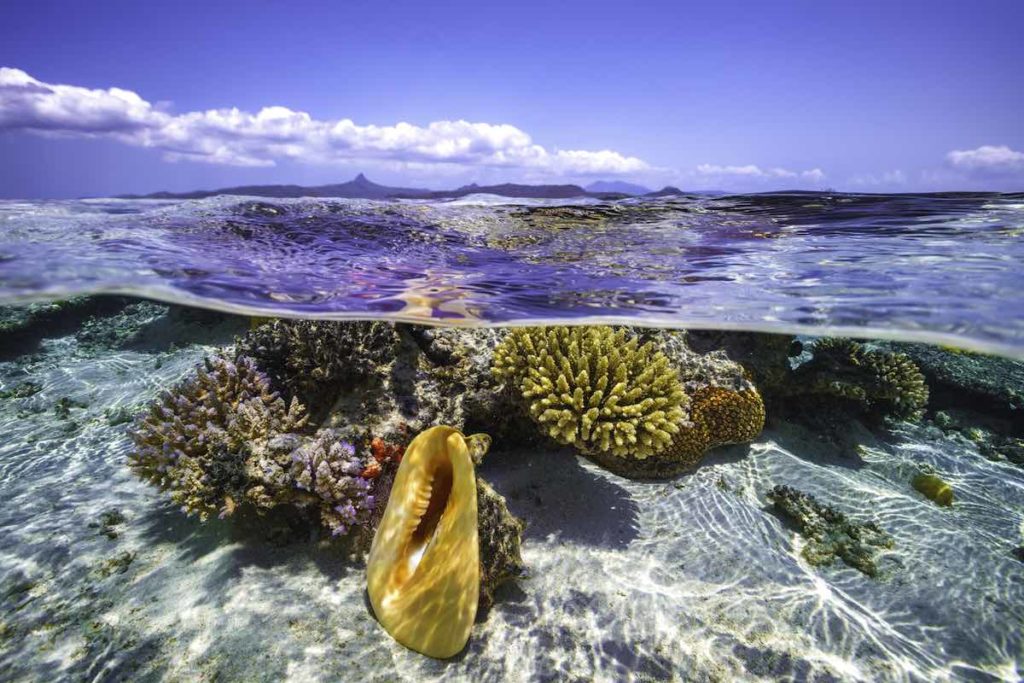
The ocean is becoming more acidic, a condition that keeps shelled animals from building their protective coverings. Shellfish we enjoy like shrimp, oysters and clams are threatened. And so are the tiny sea snails that feed ocean life higher up the food chain. Coral reefs that serve as some of the most productive and biodiverse places on Earth are also under sever threat.
We don’t yet know how this newest challenge will play out in the ocean, but we do know it is real and it is happening right now and impacts could ripple throughout the food chain. So we’re working to raise awareness and make sure the creation of science-based solutions is a top priority.
Join us in working to protect one of our ocean’s greatest gifts to us: healthy food.
It's time to say no to loopholes, and yes to responsible, science-based fisheries management.
Ocean Conservancy's Chris Dorsett answers five questions about NOAA's fisheries management plans for the Gulf of Mexico.